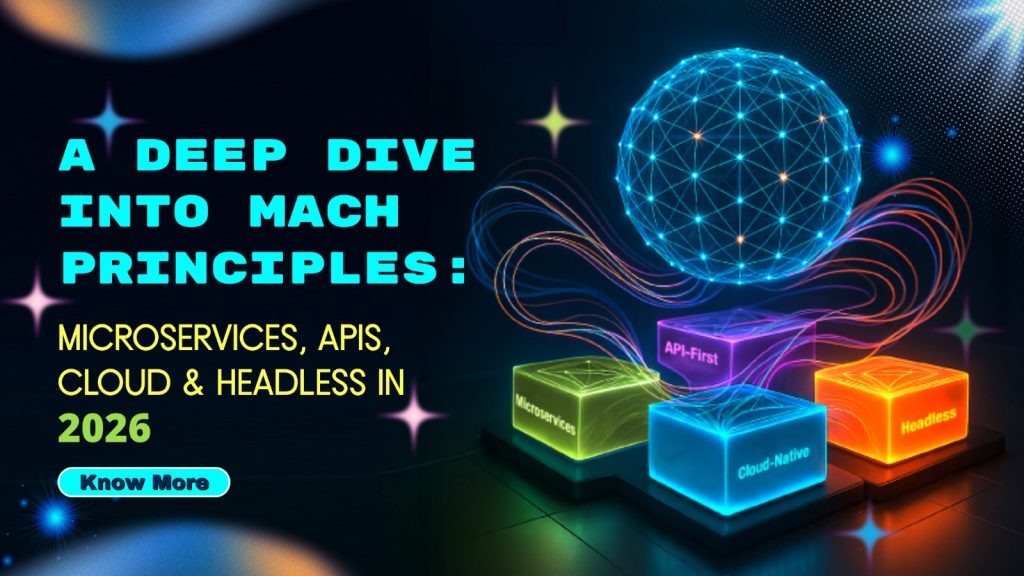
MACH is a framework of principles designed to modernize digital systems, making them more agile, scalable, and efficient. In today’s competitive landscape, innovation is no longer optional—it’s essential. As businesses strive to stay relevant, the MACH approach has become a cornerstone of digital success. At its core, MACH stands for Microservices, APIs, Cloud Computing, and Headless Architecture. Each element plays a vital role in building flexible, future-ready systems that can quickly adapt to evolving consumer demands.
As we step into 2026, understanding MACH architecture isn’t just important; it’s imperative for organizations looking to harness the power of technology effectively. Whether you’re an industry veteran or new to the tech scene, grasping these concepts will empower you to drive your digital strategy forward with confidence and agility. So let’s dive deeper into each element of MACH and explore how they collectively pave the way for digital innovation in this dynamic era.
Overview of MACH Principles
MACH principles represent a modern approach to digital architecture, designed for agility and flexibility. Each component plays an essential role in creating responsive systems.
Microservices are the backbone. They break applications into smaller, manageable units that can be developed and deployed independently. This leads to rapid iteration and innovation without the risk of disrupting entire systems.
APIs serve as connectors between these microservices, enabling seamless communication. They allow different software components to interact effortlessly, fostering integration across platforms.
Cloud computing is another critical element. It provides scalable resources on demand, ensuring businesses can adapt quickly to changing needs without heavy investments in infrastructure.
Headless architecture separates front-end presentation from back-end functionality. This decoupling allows companies to deliver customized user experiences while maintaining robust backend processes. Together, these principles create a powerful framework for digital transformation in today’s fast-paced environment.
The Rise of Microservices in the Tech Industry
The tech industry is witnessing a significant shift towards microservices architecture. This approach allows companies to build applications as a collection of loosely coupled services. Each service operates independently, making them easier to develop and manage.
With the growing demand for agility, businesses are adopting microservices for their flexibility. Teams can work on different components simultaneously, speeding up deployment cycles. This means faster updates and enhanced user experiences.
Scalability is another key factor driving this trend. As businesses grow, they can easily scale specific services without overhauling entire systems. This capability is crucial in today’s fast-paced digital landscape.
Moreover, microservices facilitate innovation by allowing organizations to experiment with new technologies seamlessly. Developers can integrate cutting-edge tools without disrupting existing functionalities.
As companies continue to embrace this architectural style, it’s clear that microservices are shaping the future of software development in profound ways.
APIs: The Backbone of MACH Architecture
APIs, or Application Programming Interfaces, play a crucial role in MACH architecture. They serve as the essential connectors between microservices, allowing them to communicate seamlessly.
With APIs, businesses can integrate various functionalities without being tied to one monolithic system. This flexibility is vital for rapid innovation and adaptability in today’s fast-paced tech landscape.
Moreover, APIs enable developers to create tailored experiences for users. By leveraging different services through well-defined interfaces, companies can customize their offerings based on customer needs.
The ease of scaling becomes another advantage with effective API management. As demand grows, organizations can simply plug in new services or replace existing ones without significant downtime or overhauls.
In this ever-evolving digital age, embracing APIs is not just beneficial; it’s necessary for staying competitive within the MACH framework.
Why Cloud Computing is Essential for MACH
Cloud computing serves as the backbone of MACH architecture. It provides the necessary flexibility and scalability that modern businesses demand.
With cloud infrastructure, organizations can rapidly deploy microservices without worrying about hardware constraints. This agility allows for quicker iterations and innovations.
Moreover, cloud solutions enable seamless integration with APIs. They facilitate smooth communication between various services, enhancing overall performance.
Security is another vital aspect offered by cloud computing. Providers implement robust measures to protect data, ensuring compliance with regulations while maintaining business continuity.
Additionally, leveraging the cloud means reduced operational costs. Companies can focus on developing new features instead of managing physical servers or infrastructure challenges.
As digital landscapes evolve, relying on traditional systems becomes increasingly risky. Embracing a cloud-first approach empowers businesses to adapt swiftly to changing market demands and technological advancements.
The Benefits and Challenges of Going Headless with MACH
The headless approach within MACH architecture offers remarkable flexibility. With content and front-end decoupled, businesses can tailor user experiences across various channels. This adaptability is crucial in a fast-paced digital world.
Moreover, developers can choose the best tools for their needs without being constrained by monolithic systems. They enjoy greater autonomy to innovate and iterate quickly.
However, challenges abound. The complexity of managing multiple services can overwhelm teams lacking experience in microservices. Integration issues may arise as different components communicate with one another.
Additionally, maintaining consistent branding becomes a task when using varied technologies. Organizations must ensure seamless collaboration among teams to prevent silos from forming.
Budget considerations also come into play; transitioning to a headless setup often requires significant investment upfront before reaping long-term benefits. Balancing these factors is essential for successful implementation of headless strategies within MACH principles.
Predictions for the Future of MACH in 2026
By 2026, MACH architecture is poised to redefine how businesses operate digitally. As companies increasingly embrace agility, the modular nature of microservices will allow for rapid adaptations in response to market changes.
APIs will evolve further, becoming even more sophisticated and user-friendly. This shift will empower developers and foster collaboration across teams while enhancing integration capabilities with third-party solutions.
Cloud technology’s role will expand significantly, enabling seamless scalability. Organizations will harness cloud-native services to optimize performance and reduce costs.
The headless approach may become the standard for delivering personalized customer experiences. Brands that leverage MACH principles effectively can expect increased engagement through tailored interactions.
As organizations prioritize innovation, those adopting MACH architecture early on may find themselves leading their industries by 2026. The race toward digital transformation promises exciting developments in this space as new players enter the arena.
Conclusion: Is MACH the Future of Digital Business?
The landscape of digital business is rapidly evolving. As companies seek agility and resilience, MACH architecture stands out as a powerful framework for innovation. By leveraging microservices, APIs, cloud computing, and headless solutions, businesses can create tailored experiences that meet the demands of today’s consumers.
As we move toward 2026, the adoption of MACH principles is likely to grow among enterprises striving for flexibility and speed in their operations. The ability to quickly adapt to changing market conditions while providing seamless customer interactions will be pivotal.
However, organizations must also navigate the challenges that come with this transition. Embracing MACH requires not just technological investment but also cultural change within teams. Companies need to foster collaboration across departments to fully realize its benefits.
Digital leaders should keep an eye on emerging trends around MACH principles as they shape strategies for future growth. Adopting these methods could very well position businesses at the forefront of their industries in a competitive marketplace.
MACH is more than just a buzzword; it represents a shift towards smarter digital infrastructures aimed at driving efficiency and enhancing user experiences. For those willing to embrace it fully, there lies immense potential for transforming how they do business in this dynamic environment.