
Email marketing remains a powerhouse in the digital landscape, but navigating its intricacies can be challenging. Among the most critical concepts marketers need to grasp are email delivery and email deliverability. While these terms may sound similar, they represent two distinct aspects of your email campaigns that could significantly impact your success.
Imagine sending out hundreds, or even thousands, of emails only to find that many never reach their intended recipients. This is where understanding the nuances between delivery and deliverability becomes essential for modern marketers like you. In this practical guide, we’ll break down these concepts in an easy-to-understand way so you can optimize your approach and ensure your messages land right in inboxes—not spam folders! Whether you’re a seasoned pro or just starting out, mastering these elements will help elevate your email marketing game. Let’s dive into what sets email delivery apart from deliverability and how you can enhance both for better results.
Understanding the Difference between Email Delivery and Email Deliverability
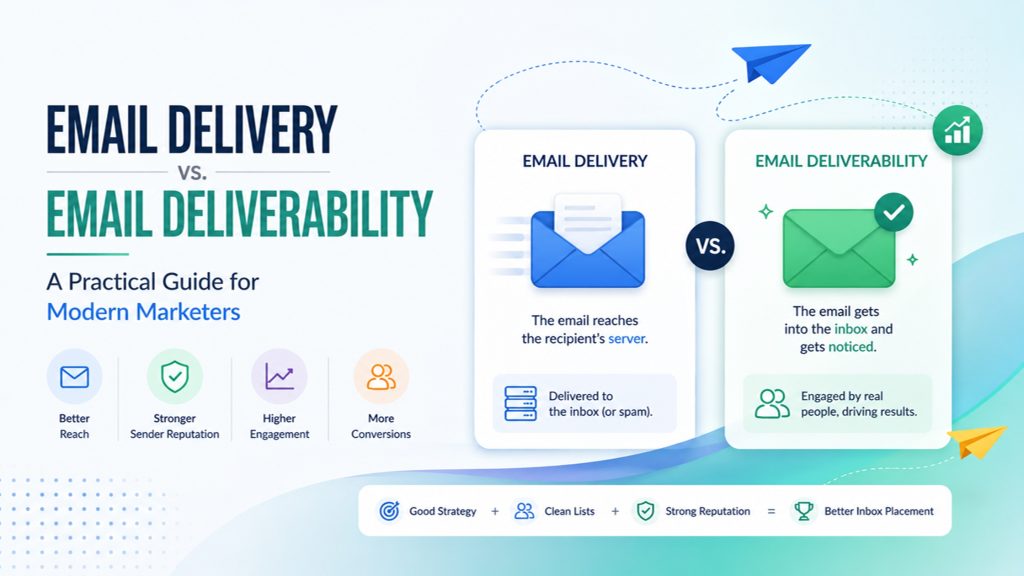
Email delivery refers to the successful transmission of your emails from the sender’s server to the recipient’s server. In simple terms, it’s about whether or not your email successfully left your system and reached its destination. High delivery rates indicate that most emails are making it past initial hurdles.
On the other hand, email deliverability digs deeper into what happens once an email arrives at a recipient’s server. This concept encompasses whether those emails actually land in inboxes or get filtered into spam folders. Factors like sender reputation, engagement metrics, and content quality all play vital roles here.
Understanding this distinction is crucial for marketers aiming to maximize their campaigns’ effectiveness. It’s not just about sending; it’s also about ensuring that what you send is seen and engaged with by your audience.
Why Both are Important for Marketers
Email delivery and email deliverability are fundamental concepts that every marketer should understand. They directly influence how effective your email campaigns will be.
When emails reach the inbox, it opens the door for engagement. If they don’t make it there, all efforts in crafting compelling messages go to waste.
But it’s not just about reaching the inbox; it’s also about ensuring those emails have a high chance of being opened and acted upon. Deliverability affects overall campaign performance metrics like open rates and click-through rates.
Marketers need both elements working seamlessly together to build trust with their audience. Good practices in email marketing can enhance brand reputation while keeping spam filters at bay.
Focusing on these aspects helps drive better results from email marketing initiatives, leading to increased conversions and customer loyalty over time.
Factors Affecting Email Delivery
Email delivery hinges on several key factors. One primary aspect is sender reputation. If your domain has a poor track record, messages may land in spam folders.
Another crucial factor is email authentication protocols like SPF, DKIM, and DMARC. These technologies help verify the legitimacy of your emails. Without proper authentication, deliverability can suffer significantly.
Content quality also plays a role. Emails filled with spammy keywords or misleading subject lines could trigger filters designed to protect users from unsolicited content.
List hygiene cannot be overlooked either. Regularly cleaning your email list ensures you’re only reaching engaged recipients who want to receive your messages.
Sending frequency matters too. Irregular patterns might raise red flags for ISPs and impact how often your emails reach inboxes instead of spam folders.
Strategies to Improve Email Delivery Rates
Improving email delivery rates requires a multi-faceted approach. Start by cleaning your list regularly. Remove inactive subscribers and invalid addresses to maintain a healthy database.
Next, focus on authentication protocols like SPF, DKIM, and DMARC. These ensure that your emails are recognized as legitimate by ISPs.
Segmenting your audience can also enhance engagement. Tailor content to specific groups based on their preferences or behaviors. This not only boosts open rates but also signals to ISPs that your emails are wanted.
Another strategy is to monitor sending frequency. Consistent emailing helps build trust with ISPs while avoiding sudden spikes in volume that might trigger spam filters.
Always test before you send. Use tools to analyze how different elements affect deliverability, ensuring you find the best combination for success each time.
The Importance of Email Deliverability
Email deliverability is a crucial aspect of any successful marketing strategy. It determines whether your carefully crafted messages land in the inbox or get lost in the spam folder.
High deliverability rates ensure that your audience receives your communications. If emails regularly end up undelivered, you miss opportunities to engage with potential customers, promote products, and build relationships.
Moreover, email service providers monitor engagement metrics like open rates and click-through rates. Poor deliverability can harm your sender reputation, making it even harder to reach recipients over time.
Investing in strategies to enhance deliverability not only boosts campaign effectiveness but also fosters trust between you and your audience. As communication channels evolve, maintaining high standards for email practices has never been more vital for marketers aiming for long-lasting success.
Tips for Improving Email Deliverability
To boost your email deliverability, start by maintaining a clean list. Regularly remove inactive subscribers and invalid addresses to keep bounce rates low.
Implement double opt-in for new subscribers. This ensures that those who join genuinely want to receive your emails.
Monitoring engagement is crucial. Focus on sending relevant content that resonates with your audience, as this increases interaction and signals ISPs that you’re trustworthy.
Use a reputable email service provider (ESP). A good ESP will help manage your sender reputation and compliance with industry standards.
Authenticate your emails with SPF, DKIM, and DMARC protocols. These add layers of verification that enhance trustworthiness in the eyes of inbox providers.
Test different sending times and frequencies. Finding the right balance can significantly influence how often recipients engage with your messages.
Conclusion
Understanding the nuances of email delivery vs. email deliverability is essential for modern marketers seeking effective communication with their audience. While both terms may seem similar, they serve different purposes in your email marketing strategy.
Email delivery refers to whether your emails reach a recipient’s inbox, while deliverability focuses on ensuring those emails are not marked as spam and can be opened and read by users. Both elements play pivotal roles in your overall campaign success.
Marketers must recognize that improving their strategies around these two aspects leads to better engagement rates and ultimately drives conversions. Techniques such as list hygiene, proper authentication methods, and consistent testing help enhance both delivery rates and overall deliverability.
As you navigate the complexities of digital marketing, keep this differentiation in mind. A proactive approach toward enhancing both email delivery and deliverability will support stronger relationships with your subscribers while maximizing the effectiveness of your campaigns.
By implementing best practices tailored to each area, marketers can ensure they are not just sending emails but also fostering meaningful connections with their audiences that translate into real results.